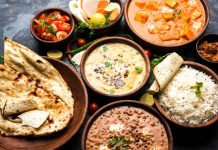
Gluten-free diets are becoming more and more well-liked as a lifestyle choice for people who want to enhance their digestion, energy levels, or general health, as well as a requirement for those who have celiac disease or gluten intolerance. Indian cuisine, with its rich traditions and regional variation, really offers a broad variety of naturally gluten-free dishes, despite the fact that some people may find the idea of turning gluten-free restrictive. Indian cuisine makes it surprisingly simple to follow a gluten-free diet without compromising taste or satisfaction, from hearty breakfasts to filling dinners and decadent desserts.
The use of a variety of flours and grains other than wheat is what makes Indian cookery so beautiful. Many Indian homes, particularly those in rural and southern areas, rely on millet flours such jowar (sorghum), ragi (finger millet), and bajra (pearl millet). In addition to being gluten-free, these grains are a good source of fiber, iron, and magnesium. They produce delectable meals that feed the body and the spirit when mixed with vegetables, pulses, and traditional spices.
Khichdi is one of the easiest yet most satisfying gluten-free Indian recipes. It is frequently regarded as comfort food because it is made with rice and lentils and is ideal for times when the body needs something light but satisfying. Additionally, khichdi can be enhanced with vegetables like spinach, beans, or carrots or left plain. It is warm, comforting, and perfect for people recovering from illness or simply wishing to eat healthily. It is tempered with ghee, cumin, and a dash of asafoetida (gluten-free versions are available).
Lemon rice, a South Indian traditional made with cooked rice, curry leaves, mustard seeds, turmeric, and fresh lemon juice, is another rice-based treasure. It is frequently served with plain dal or coconut chutney. Similar examples of naturally gluten-free choices that are simple to make and filling on their own are curd rice and tamarind rice.
Beyond the usual wheat toast or paratha, Indian food offers a number of gluten-free options for people who want filling breakfasts. Light and invigorating, dosa is a crispy South Indian pancake prepared from fermented rice and urad dal batter. Its versatility is unparalleled; it can be cooked with chopped onions or green chilies, or it can be made plain or stuffed with spiced potatoes like masala dosa. Another great gluten-free breakfast or snack that goes well with sambhar and chutneys is idli, which is made from the same batter but is steamed.
Another gluten-free hero in Indian cuisine is besan, sometimes known as chickpea flour. It can be used in both savory and sweet dishes. A well-liked choice is besan chilla, which is a thin pancake prepared with water, chickpea flour, spices, and finely chopped tomatoes, onions, and coriander. It’s easy to prepare, high in protein, and perfect for a light meal or brunch. Pakoras, the deep-fried fritters that are frequently consumed with tea during the monsoon season, are another dish that is made with besan. Although these snacks are typically created with a variety of ingredients, using only chickpea flour guarantees that they are gluten-free and yet flavorful.
Moving on to main courses, traditional Indian houses have many of gluten-free roti substitutes. In states like Maharashtra, Gujarat, and Karnataka, bajra roti, jowar bhakri, and ragi chapati are frequently eaten. These breads offer a good amount of complex carbs and fiber and are frequently eaten with veggies or dals. It may take some experience to make these rotis because they don’t have the same flexibility as wheat flour, but the end product is a filling, somewhat nutty flatbread that goes well with Indian curries.
Speaking of curries, as long as wheat flour or store-bought spice mixes containing gluten-based additions are avoided, the majority of traditional Indian gravies are naturally gluten-free. When made from scratch with whole spices, traditional Punjabi meals like chole (chickpeas), dal makhani (black lentils), and rajma (kidney beans) are all gluten-free and full of flavor. Similarly, rice or millet rotis mix well with vegetable-based meals like aloo gobi, bhindi masala, baingan bharta, and palak paneer.
When prepared properly, rice dishes like pulao and biryani make great gluten-free meals. Egg pulao, chicken biryani, and vegetable biryani may all be prepared with fresh ingredients and basmati rice, free of gluten-containing chemicals. In addition to being gluten-free, biryani is a celebration of Indian culinary art because of the way the spices are layered, the scent of saffron, and the texture of long-grained rice.
Chaats and snacks are a staple of Indian cuisine, and while many traditional street snacks are prepared with flour or semolina, there are still plenty of gluten-free versions available. For example, if the ingredients are properly picked, bhel puri, which is made with puffed rice, veggies, chutneys, and sev (be sure it’s made from besan), can be gluten-free. Other nutritious and gluten-free options for satisfying midday appetites are boiling chana salads, masala peanuts, and roasted makhana (fox nuts) flavored with herbs.
When it comes to desserts, Indian sweets are a gluten-free treat. Kheer, a creamy rice pudding cooked with milk, sugar, cardamom, and almonds as a garnish, is one of the most popular. It is frequently offered during special events and festivals. Besan ladoo, which are sweet balls prepared with roasted chickpea flour, ghee, and sugar, is another traditional dish. Next are rava-free halwas prepared from lentils or vegetables like bottle gourd and carrot, coconut barfi, and even phirni, a rich, celebratory dish made with pulverized rice. Traditionally made with naturally gluten-free ingredients, these treats provide a satisfying way to finish any meal.
Another great gluten-free choice is fermented meals like dhokla, which are prepared with rice flour or besan. They are sweet, light, and fluffy. They are frequently topped with coconut and coriander and tempered with mustard seeds. For a healthy gluten-free supper, try Keralan appam or puttu, which is made from rice flour and coconut, with stews or kadala curries.
Because Indian cuisine is so regionally diverse, following a gluten-free diet never feels constrictive. While northern regions use lentils and legumes in various ways, states like Tamil Nadu, Kerala, and Maharashtra already strongly rely on diets based on rice and millet. Because of this inherent diversity, implementing a gluten-free diet doesn’t necessitate significant dietary changes; instead, it only calls for careful ingredient selection and a return to classic dishes.
Furthermore, in addition to adding flavor, Indian spices like turmeric, cumin, coriander, and asafoetida (when gluten-free) provide health advantages. Ginger and garlic increase immunity, cumin helps with digestion, and turmeric has anti-inflammatory qualities. When paired with naturally gluten-free foundation ingredients, the end product is incredibly healthy and delicious.
Even fusion and modern Indian dishes are shifting toward healthier options as a result of increased awareness of contemporary issues. Buckwheat kachoris, millet dosa, and quinoa upma are becoming more and more popular. Almond flour, coconut flour, and banana flour are being used in gluten-free baking by urban households to create Indian-style breads and treats with a contemporary twist. Both home cooks and restaurants are starting to accommodate gluten-free patrons by providing authentically modified versions of traditional foods.
Eating gluten-free often means returning to the origins of Indian cuisine rather than abandoning it. Numerous gluten-free Indian recipes are based on age-old knowledge that has been handed down through the centuries and is intended to be both tasty and therapeutic. A balanced diet is inherently compatible with the usage of whole grains, fresh produce, fermented foods, and homemade spice mixes.
Including these dishes in your diet is not only beneficial for people who are gluten intolerant, but it’s also a great way to discover the depth and complexity of Indian food in a different way. Going gluten-free in India is not only simple, but also an adventure in and of itself, whether you’re enjoying the rustic comfort of dal chawal, the elegance of dosas and chutneys, or the decadence of ghee-laden ladoos. Every meal may be a nutritious, gluten-free feast that delights the body and the plate as long as you cook with awareness and appreciate the variety of ingredients.