In addition to its history and monuments, Delhi, the capital of India, is hailed as one of the greatest spots in the nation for street cuisine. You can find vendors serving up cuisines that are daring, thrilling, and steeped in history if you stroll down any path in Old Delhi, explore the bustling markets of South Delhi, or even visit premium dining destinations in Connaught Place. For foodies who aren’t scared to wander the streets in quest of something genuine and remarkable, the city is a veritable heaven.
Delhi’s street food is particularly distinctive because it combines a variety of Indian influences. A rich and varied street food culture has emerged as a result of the city’s historical status as a cultural melting pot, which has allowed it to absorb and adapt flavors from Punjab, Uttar Pradesh, Rajasthan, and even Kashmir. Every dish has a backstory that includes tales of migrations, royal kitchens, local secrets, and family recipes that have been handed down through the ages.
Typically, the exploration of Delhi’s street food culture starts in Old Delhi, specifically in places like Chawri Bazaar, Jama Masjid, and Chandni Chowk. These places are lively, bustling, and full of personality. This restaurant offers more than simply delicious food; it’s an experience. Particularly from the famous Paranthe Wali Gali, paranthe is one of the first foods that you simply must try. There are innumerable types of these packed flatbreads, which are shallow-fried in ghee and can include paneer, cauliflower, potatoes, and even sweet ones like banana and rabri. One bite of this dish, which is served with pickles, curd, and tart chutneys, can take you back to the opulence of the Mughal era.
Then there is chaat, which has evolved into a sort of art form in Delhi. Depending on the region, there are many variations, but the basic ingredients typically include a combination of boiled potatoes, chickpeas, yogurt, crispy fried flatbread, and a variety of chutneys. The combination of sweet, spicy, tangy, and cool flavors in one mouthwatering bite is what distinguishes Delhi’s chaat. By preserving traditional cuisine, stores like Khan Market’s UPSC Chaat and Natraj Dahi Bhalle Wala have gained devoted customers.
The aroma of sizzling kebabs on coal grills fills the air in the alleyways close to Jama Masjid. These are not your typical meat skewers; they are succulent, expertly spiced, and served with crisp tandoori parathas or hot roomali rotis. Vendors here are also well-known for their kathi rolls, which have flaky flatbreads encasing delicious contents. This area comes alive with food carts selling specialties like haleem, nihari, and sheer khurma during Ramadan, providing a unique culinary experience.
Chole bhature, a meal so rich and satisfying that it’s frequently had as a hearty brunch, is another star of Delhi’s street food scene. Bhature, a type of deep-fried, fluffy bread, is served with the spicy, sour gravy in which the chickpeas are cooked. Although this dish is well-liked throughout North India, Delhi is particularly good at it. For many residents, it has become a morning ritual because to establishments like Sita Ram Diwan Chand and Anand Ji’s in Connaught Place.
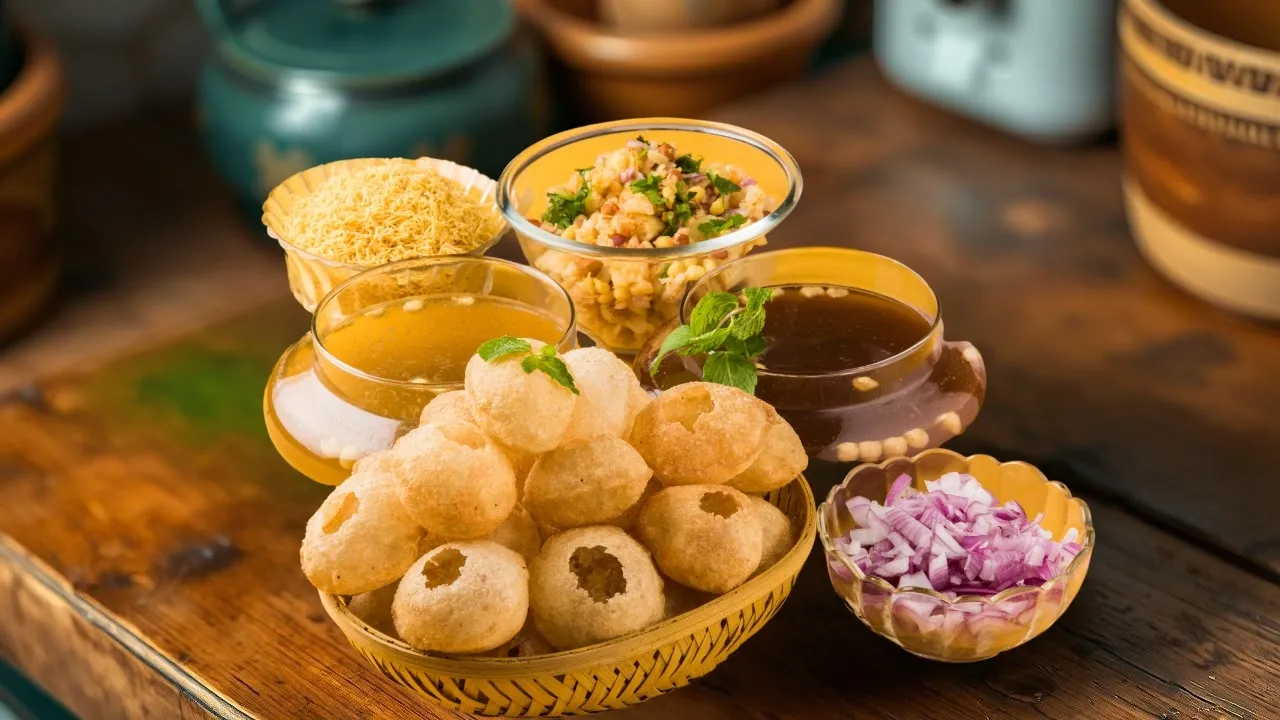
Without trying golgappas, or pani puri as they are called in other parts of the world, a street food tour of Delhi would not be complete. Crunchy and spicy, these small water-filled joy bombs are incredibly irresistible. The potato or chickpea stuffing adds texture, while the water, which is created from tamarind, mint, and a mixture of spices, gives the meal its spicy kick. The nicest part is always seeing them make each piece by hand and serve them one after the other until you are unable to eat any more. Vendors frequently provide sweet variations as well.
Delhi is known for its sweet delights, yet street food usually conjures up ideas of savory nibbles. Old Delhi’s thick, syrup-soaked jalebis are particularly delicious. These are often served hot and have the ideal ratio of juicy inside to crisp outside. Then there is kulfi falooda, a chilled treat consisting of vermicelli noodles, rose syrup, and condensed milk ice cream. In particular, it’s refreshing and decadent in the summer.
Delhi’s contemporary markets and culinary hotspots provide a blend of international and traditional street cuisine for those seeking something more modern. There are vendors selling momos in a variety of styles, including steamed, fried, tandoori, and even gravy varieties, at places like Hudson Lane, Satya Niketan, and Lajpat Nagar. Momos, which originated in Tibet and the Northeast, are now a common street meal in Delhi. The accompanying sauces, which range from acidic tomato to hot red chili, make them even more irresistible, and the spice level is typically increased to accommodate Delhiites’ penchant for strong flavors.
Ram laddoos, which are actually deep-fried moong dal fritters accompanied by grated radish and tart chutney, are just as well-liked as laddoos. These are a great wintertime snack that are particularly found in Lajpat Nagar and Central Market. They showcase the creativity that can be found in even the most basic street meals in Delhi. Daulat ki chaat, a delicate milk-based delicacy with a foam base that is served cold, is another wintertime favorite. This dish, which is only served during the cooler months, is almost poetic in its flavor and texture: it is light as air, delicately sweet, and adorned with dry fruits and saffron.
Delicious and reasonably priced lunches may be had in South Delhi from food trucks and stands close to universities. Imagine paneer tikka wraps, spicy Chinese bhel, packed kulchas, and innumerable varieties of bread pakora, each with a devoted following. In certain locations, you can even find street sellers selling pav bhaji, a traditional Mumbai dish that Delhi has fully embraced. A satisfying, effortless supper that always hits the spot is the spicy vegetable mash topped with buttery pav.
Delhi offers a lot for both vegetarians and non-vegetarians to enjoy. The butter chicken from street vendors on Pandara Road or in Karol Bagh is a must-try for meat lovers. Rich, delicious, and creamy, it’s frequently served with freshly prepared naan from portable tandoors on the pavement. The breadth of Delhi’s street food choices is demonstrated by the inclusion of dishes like keema pav and egg curry.
The seasonal influence is another feature that sets Delhi’s street food apart. During the winter, sellers set out carts filled with roasted sweet potatoes (shakarkandi), topped with lime and chaat masala. A nighttime favorite is hot milk that has been cooked with almonds and saffron. Sugarcane juice, aam panna, and banta soda, all served fresh and portable, help combat the heat throughout the summer. These serve as more than just refreshments; they are customs that bring back memories of early years, beloved seasons, and the cadence of urban life.
Even Delhi’s most modest street vendor is skilled at striking a balance between flavors. The ability to blend sour, sweet, spicy, and salty flavors and to produce textures that melt, crunch, and surprise is intuitive. Many of these recipes are the product of years of honing a particular dish or are protected family secrets. Because of this, Delhi’s street food is more than simply inexpensive and quick—it’s an art form. In ways that no fine-dining experience could, it fosters community, preserves culinary history, and unites people.
While many Delhiites are accustomed to eating on the streets without any problems, it’s wise to choose active vendors with a high food turnover rate to ensure freshness. Of course, cleanliness and safety are vital considerations. People who are not familiar with the area often carry bottled water or request drinks with less ice.
Delhi’s street cuisine is the ideal place to start, whether you’re a visitor visiting India for the first time or a local revisiting your city. It depicts a city that is undergoing continuous change while maintaining a strong bond with its historical origins. Every meal, whether it’s warm and nostalgic or robust and spicy, has its own individuality and is always presented with heart and full of flavor.
Therefore, the next time you’re in Delhi, spend some time exploring the streets rather than dining at the typical restaurants. Listen for the noises of sellers announcing their specialties, follow the scent of sizzling oil, and let your curiosity lead your taste buds. Delhi’s street food can satisfy your soul as much as your hunger, whether it’s a steaming platter of chole bhature or a melting piece of jalebi.